
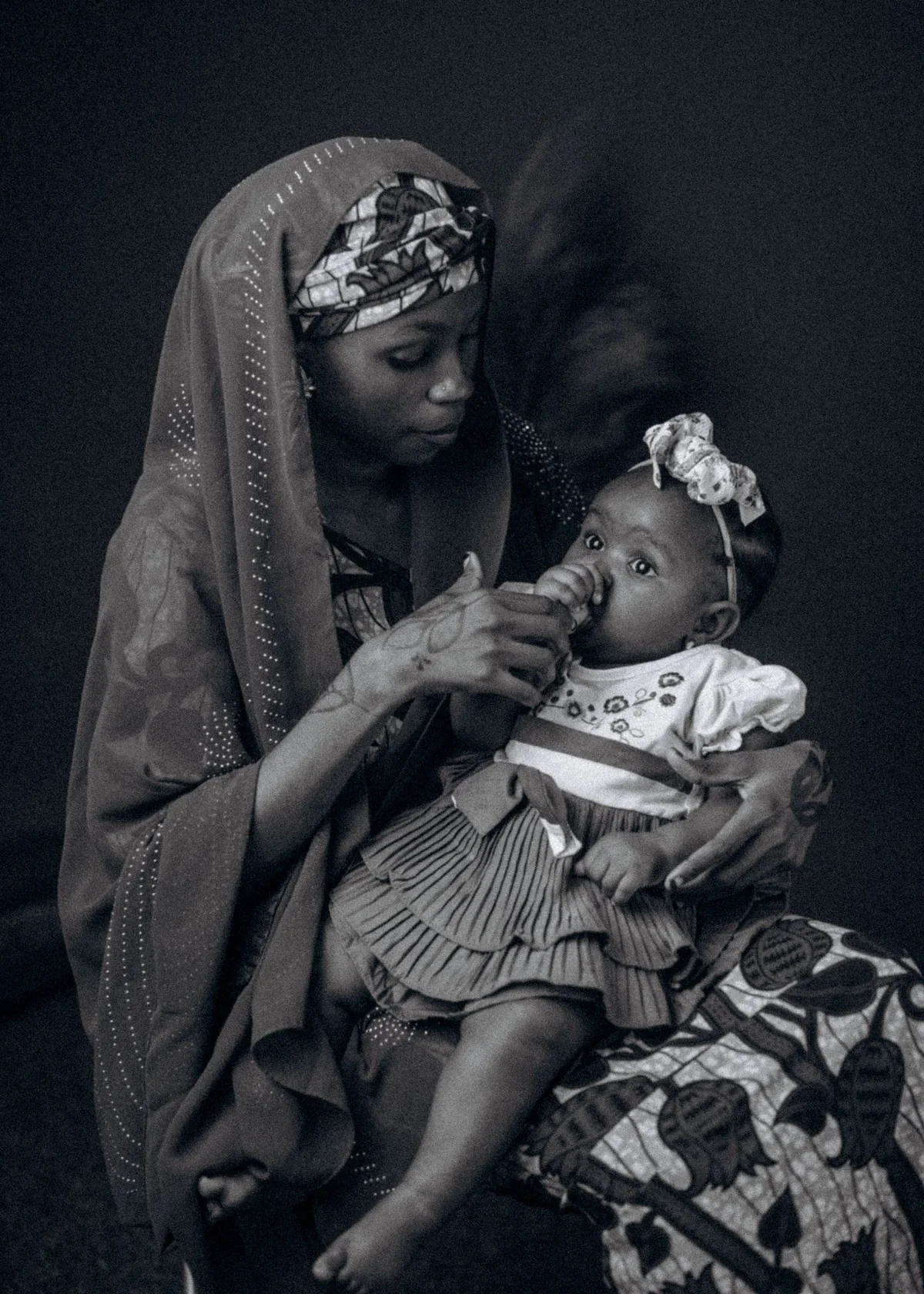
Newborn skin is not a smaller version of adult skin. It is thinner, still developing its protective barrier, and learning how to hold moisture in a world that is drier, cooler and louder than the womb.
That does not mean it is fragile in every way. It means it deserves a simpler approach.
A barrier in progress
The outer layer of a baby's skin is still maturing. It can lose water more easily and react to things that adult skin would barely notice. This is why the first products you use matter more than the number of steps in a routine.
Fewer ingredients, gentle cleansing and a little patience are usually more useful than a shelf full of products.
Less is more
For everyday cleansing, start with water and a soft cloth or a wipe you trust. Avoid anything with a strong fragrance, a long list of unnecessary extras, or a texture that drags on the skin. Pat the skin dry rather than rubbing it.
If your baby has been diagnosed with a skin condition, follow the plan you have been given. General care advice does not replace a clinician's instructions.
"A gentle routine is not the absence of care. It is care with the noise turned down."Weposhi Editorial
The nappy area
Change promptly when you notice a wet or dirty nappy. Clean gently from front to back with plain water or a wipe, and allow the skin to dry before putting on a fresh nappy. A barrier cream may help if your health visitor or doctor recommends one.
If the skin is broken, very red, blistered or not improving, ask for advice rather than trying another product.
Small changes are common
In the early weeks, peeling, blotchiness, mild dryness and small spots can appear as the skin adjusts. Many changes settle without treatment. What matters is how your baby seems in themselves and whether the skin is causing distress.
Look for signs that something needs attention: pain, weeping, fast spreading, a fever, or a baby who is feeding or behaving differently. When in doubt, ask early.
- Keep baths short and the water comfortably warm.
- Use a gentle, fragrance-free wash if you use one.
- Pat dry, especially in the folds.
- Let the nappy area breathe when you can.
- Choose a wipe with fewer unnecessary ingredients.
When to ask
You know your baby's normal. If something looks painful, is getting worse, or does not feel right to you, contact your health visitor, midwife or doctor. You do not need to wait for it to become an emergency to ask for help.
Weposhi is made with 99% purified water and a short formula because we believe the everyday should be considered. It is one small part of a much larger picture of care.
Words by Weposhi Editorial